
Understand ticket status and response timing
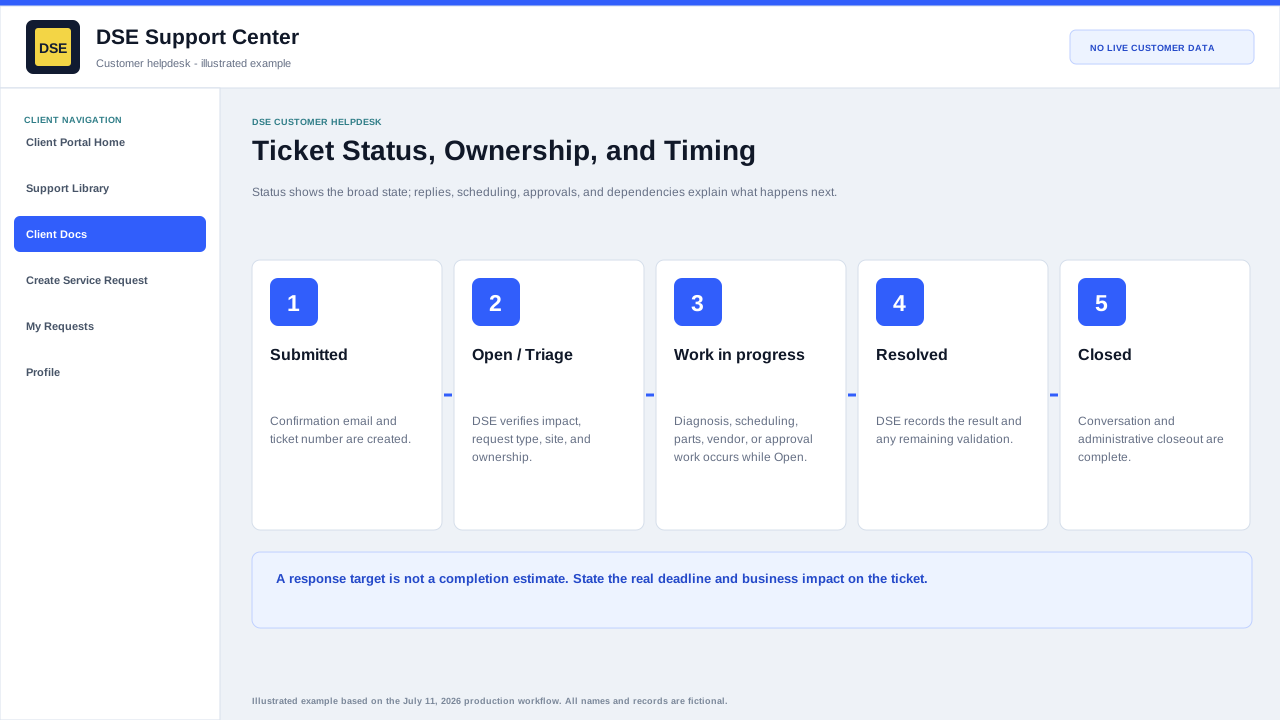
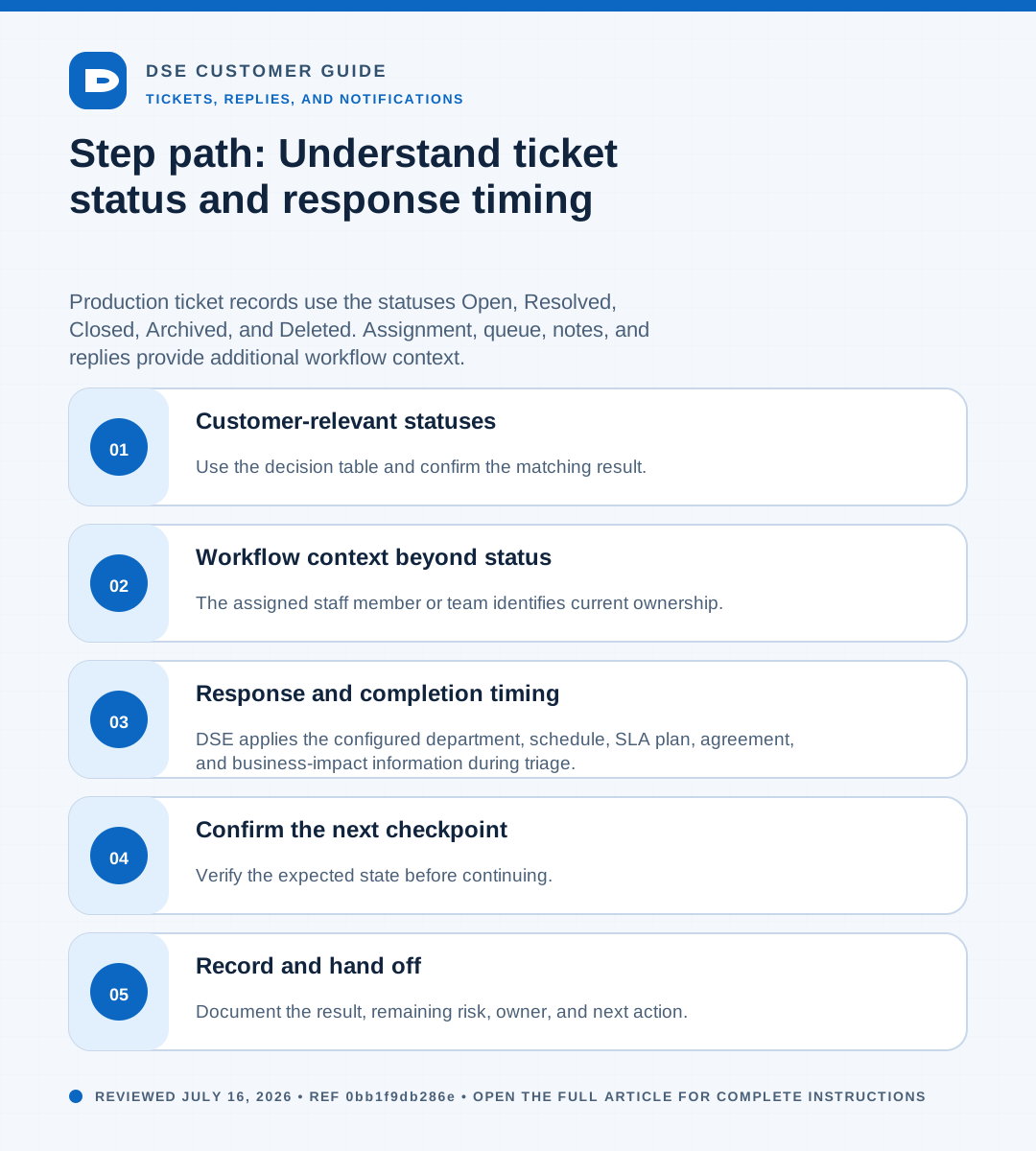
Summary: Production ticket records use the statuses Open, Resolved, Closed, Archived, and Deleted. Assignment, queue, notes, and replies provide additional workflow context.
AudienceDSE customers and authorized contacts
Procedure3 guided sections
Checklist8 specific actions
ReviewedJuly 16, 2026
Visual walkthrough4 visual references for this procedure
01Customer-relevant statuses
| Status | Meaning |
|---|---|
| Open | The request remains active and may be awaiting triage, DSE work, scheduling, a dependency, or customer information. |
| Resolved | DSE has recorded a resolution or completed the requested work, subject to any remaining confirmation or closeout. |
| Closed | The support conversation and operational closeout are complete. |
| Archived or Deleted | Administrative retention states that normally do not represent active customer work. |
02Workflow context beyond status
- The assigned staff member or team identifies current ownership.
- Replies explain completed work, questions, scheduling, or the next action.
- An open ticket can legitimately be waiting on a customer, vendor, part, approved window, or related project.
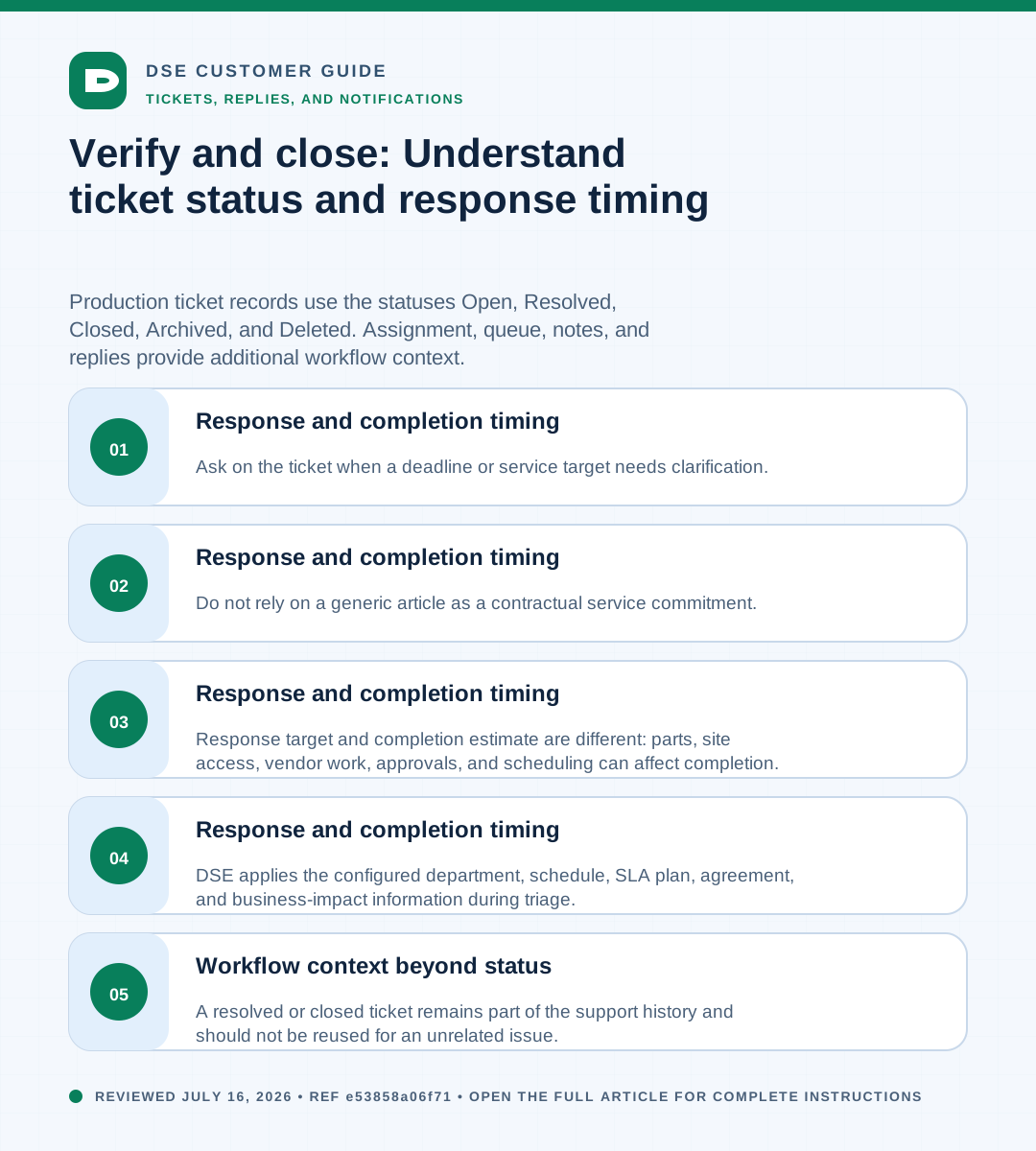
- A resolved or closed ticket remains part of the support history and should not be reused for an unrelated issue.
03Response and completion timing
- DSE applies the configured department, schedule, SLA plan, agreement, and business-impact information during triage.
- Response target and completion estimate are different: parts, site access, vendor work, approvals, and scheduling can affect completion.
- Do not rely on a generic article as a contractual service commitment.
- Ask on the ticket when a deadline or service target needs clarification.
Need a person?
Contact DSE Support →
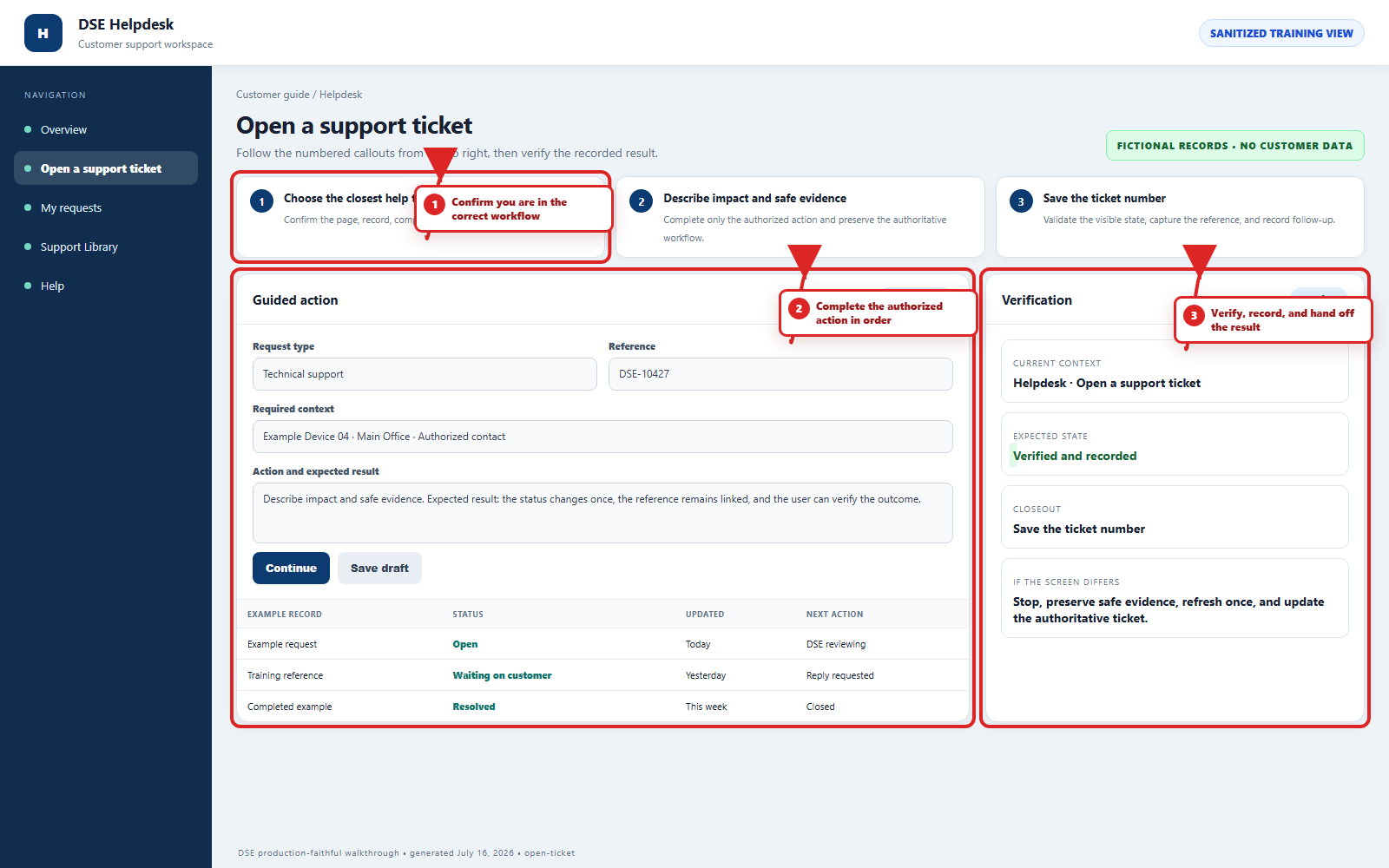
Open a service request with the details you have.
Include the site, affected device or user, exact error, when it started, urgency, and screenshots when available.